

What Did They Do for a Living? The Classic TV Character Jobs Quiz
Classic television gave us more than catchphrases, theme songs, and unforgettable living rooms. It also gave us jobs we can identify in a heartbeat.
Mention a cheerful bartender and many viewers picture Cheers. Say “small-town sheriff” and the streets of Mayberry come to mind. A bespectacled newspaper reporter may summon images of Clark Kent, while a kindly doctor, harried taxi driver, or wisecracking radio host can instantly transport us back to a favorite show.
That is the fun behind What Did They Do for a Living? The Classic TV Character Jobs Quiz—a trivia game that asks players to match beloved characters with the work that defined them. Some answers are obvious. Others may have you wondering whether that character was a lawyer, doctor, advertising executive, or something far more unusual.
Why Classic Television Jobs Remain So Memorable
A television character’s occupation is often shorthand for their entire personality. Their job tells us where they spend their days, what pressures they face, whom they meet, and what sort of stories are likely to unfold.
Andy Taylor was not simply a friendly fellow in Mayberry—he was the sheriff. Mary Richards was not merely an independent woman in Minneapolis—she worked in a television newsroom. Hawkeye Pierce was a surgeon in a mobile Army hospital, a role that shaped both the humor and humanity of MASH*.
Even decades later, these jobs remain part of the cultural memory because television returned to them week after week. The office, courtroom, garage, police station, classroom, bar, or newsroom became familiar territory for viewers. In many cases, audiences knew the workplace almost as well as they knew the characters’ homes.
The Appeal of Recognizable Workplace Characters
Workplace characters are naturally built for comedy, drama, and conflict. Jobs come with rules, responsibilities, deadlines, co-workers, customers, bosses, and plenty of opportunities for things to go wrong.
A lawyer can face an impossible case. A teacher can be tested by a chaotic classroom. A doctor can balance life-and-death decisions with personal complications. A reporter can chase a story that puts them in over their head.
Classic TV was especially good at making professional settings feel personal. Viewers did not just watch characters perform tasks—they watched friendships form around water coolers, behind bars, over operating tables, and across restaurant counters.
That is why a question about a character’s profession can be such a satisfying trivia prompt. The answer often unlocks an entire world.
Sitcom Professionals: Doctors, Lawyers, Teachers, and Journalists
Many classic comedies centered on educated professionals navigating both career demands and everyday absurdity.
Doctors were particularly popular. From the physicians of MASH* to the eccentric but capable Dr. Heathcliff “Cliff” Huxtable on The Cosby Show, medical characters could be wise, compassionate, overworked, and funny all at once. Their jobs brought authority, but sitcoms loved puncturing that authority with family chaos or workplace mishaps.
Lawyers also made ideal television leads. Legal careers offered built-in stakes, moral dilemmas, and plenty of room for sharp dialogue. Characters such as Perry Mason made the courtroom a place of suspense, while shows like L.A. Law turned legal offices into engines for ensemble drama.
Teachers, meanwhile, gave television a direct link to the concerns of young people. In Welcome Back, Kotter, Gabe Kotter returned to his old Brooklyn high school as a teacher, dealing with the memorable Sweathogs. The classroom was both a workplace and a stage for generational humor.
Journalists and broadcasters supplied another rich vein of stories. Mary Richards’s role as an associate producer at WJM-TV on The Mary Tyler Moore Show represented a major step for independent women on television. On WKRP in Cincinnati, the radio station’s staff turned broadcasting into a wonderfully unpredictable workplace.
Blue-Collar Favorites: Drivers, Mechanics, Bartenders, and Factory Workers
Not every iconic television job came with a desk, degree, or executive title. Blue-collar characters brought energy, relatability, and often the strongest sense of community to classic TV.
Taxi drivers are a perfect example. Taxi used the Sunshine Cab Company as a crossroads for dreamers, strugglers, artists, immigrants, and aspiring actors. Driving a cab was the characters’ shared job, but rarely the entirety of their ambitions.
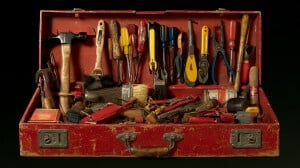
Mechanics made garages natural gathering spots. On Happy Days, Arthur “Fonzie” Fonzarelli was famously a mechanic, even if his coolness eventually became much bigger than his tool kit. The job helped ground an otherwise larger-than-life character in working-class Milwaukee.
Bartenders, of course, became confidants. Sam Malone’s role as owner and bartender of Cheers made his Boston bar the ideal place for regulars to trade jokes, seek advice, and avoid their problems. The bartender hears everything—and television knew it.
Factory work could be just as iconic. Laverne & Shirley turned jobs at Milwaukee breweries and later a California department store into a central part of the characters’ adventures. These workplaces reflected the economic realities of many Americans while still leaving room for slapstick and friendship.
Family Sitcom Careers and the Changing Television Parent
The jobs held by TV parents often revealed what each era expected from family life.
Early sitcom fathers were frequently steady providers: office workers, salesmen, executives, or professionals whose work happened mostly off-screen. Their careers established a stable household, while home life supplied the plot.
Over time, television parents became more varied. Mike Brady of The Brady Bunch was an architect, a career that suggested professional success and creativity. Howard Cunningham of Happy Days owned a hardware store, giving the family a connection to the local community. On The Cosby Show, Cliff Huxtable was an obstetrician-gynecologist and Clair Huxtable was a lawyer—an influential depiction of two highly successful parents balancing demanding careers and family life.
These portrayals did not always reflect every family’s experience, but they showed changing ideas about parenting, work, ambition, and shared responsibilities.
Detectives, Police Officers, and Other Crime-Solving Occupations
Crime-solving careers have always been television gold. Detectives and police officers are given a new mystery every week, making their jobs a reliable source of suspense.
Some investigators were hard-boiled professionals, such as Joe Friday of Dragnet. Others brought distinctive personalities to the role: Columbo, with his rumpled coat and deceptively casual manner, or Jessica Fletcher of Murder, She Wrote, a mystery writer who repeatedly found herself solving crimes.
Police settings also supported ensemble stories. Barney Miller used a New York City police precinct as a workplace comedy, proving that even a station house could become a setting for eccentric personalities, bureaucratic frustrations, and surprisingly thoughtful social commentary.
The job was rarely just “catch the criminal.” It was a way to explore justice, ethics, community, and the quirks of human behavior.
Entertainment-Industry Characters: Actors, Musicians, Radio Hosts, and Performers
Television also loved characters who worked in show business—or dreamed of doing so.
Lucy Ricardo’s ambitions to perform on I Love Lucy fueled many of the show’s most famous episodes. Her husband, Ricky Ricardo, was a bandleader and nightclub performer, ensuring that music and entertainment were always close at hand.
On The Dick Van Dyke Show, Rob Petrie worked as a comedy writer for a television variety program. That behind-the-scenes setting let the series poke fun at the television business while delivering jokes about work, marriage, and creative frustration.
Radio stations, recording studios, clubs, and television sets made ideal locations because they naturally brought together colorful personalities. They also allowed characters to chase fame, wrestle with artistic integrity, and occasionally make spectacular fools of themselves on air.
Unusual and Fictional Careers That Defined a Show
Some TV occupations were so unusual that they became inseparable from the show’s premise.
Samantha Stephens of Bewitched was technically a suburban housewife, but she was also a witch trying to live a normal mortal life. Jeannie in I Dream of Jeannie was a genie, which is not exactly a position listed in the help-wanted section.
Then there were characters whose jobs belonged to fantastical worlds: astronauts, secret agents, time travelers, superheroes, monster hunters, and intergalactic explorers. Major Tony Nelson’s work as an astronaut in I Dream of Jeannie helped launch its magical premise, while Maxwell Smart’s role as a secret agent in Get Smart transformed espionage into comedy.
These unusual careers gave writers freedom to invent stories that could never happen in an ordinary office—and that is precisely why audiences loved them.
How a Character’s Job Shaped Storylines, Humor, and Relationships
A great TV job does more than fill in a character biography. It creates the show’s story engine.
The newsroom in The Mary Tyler Moore Show produced deadlines, rivalries, breaking stories, and a surrogate family. The bar in Cheers encouraged confession, flirtation, and friendly arguments. The Army hospital in MASH* placed humor beside heartbreak, allowing the characters to cope with the realities of war.
Jobs also define relationships. Co-workers can become best friends, rivals, mentors, or romantic partners. A boss can be an obstacle or an unlikely ally. Customers and clients can introduce a new problem every episode.
In trivia terms, knowing the job often means knowing the show.
Jobs That Reflected the Social Changes of Their Era
Television careers can reveal a great deal about the era in which a program was made. As more women entered professional workplaces, characters such as Mary Richards offered audiences a new kind of sitcom heroine: single, ambitious, capable, and not defined solely by marriage.
Shows also gradually presented a broader range of professions and workplace experiences. The shift from idealized suburban families to urban offices, hospitals, precincts, and service jobs reflected changing American life.
Of course, TV did not always get every profession—or every social issue—exactly right. But these characters helped make workplaces part of popular conversation. They showed that careers could be funny, stressful, meaningful, empowering, and deeply connected to identity.
Iconic Workplaces That Became Characters in Their Own Right
Some workplaces were so vivid they felt like members of the cast.
Cheers was more than a bar; it was a home away from home. WJM-TV was more than a station; it was Mary Richards’s professional family. The 4077th MASH unit was more than a medical facility; it was the emotional center of MASH*. The taxi garage, police precinct, radio station, and courtroom all became places viewers wanted to revisit.
These settings worked because they were filled with routines. The same people arrived, the same tensions resurfaced, and the same corners of the room became sites of legendary jokes and conversations.
A classic TV workplace gave viewers the comforting sense that, no matter what happened during the episode, they could return next week and find familiar faces back on the job.
Put Your TV Job Knowledge to Work
Think you can tell a television detective from a district attorney, a radio host from a newspaper reporter, or a bartender from a cab driver?
Take What Did They Do for a Living? The Classic TV Character Jobs Quiz, a challenge celebrating the careers, callings, side hustles, and wonderfully strange occupations of classic television characters.
From Mayberry to Milwaukee, Boston bars to big-city newsrooms, this quiz is a nostalgic trip through the jobs that made TV characters unforgettable. You may know the theme songs—but do you know what they did for a living?

Comments (0)
We want to hear your feedback! Share your scores and discuss the quiz, but keep it civil.