
Egg Hunts, Bunnies, and Resurrection: How Eggciting Is Your Easter Knowledge?
Introduction
Easter, a holiday that holds a special place in the hearts of millions around the world, is a time of joy, celebration, and reflection. It is a holiday that brings families and communities together, and it is a time when children eagerly await the arrival of the Easter Bunny and the thrilling egg hunts that follow. But beyond the chocolate eggs and fluffy bunnies, Easter holds deep religious and cultural significance. In this blog post, we will delve into the rich history and traditions of Easter, and test your knowledge with a new trivia game that will leave you hopping with excitement.
Historical origins of Easter
To truly understand Easter, we must trace its origins back to ancient times. The roots of Easter can be found in various pagan traditions and religious beliefs. The name "Easter" itself is believed to have been derived from the pagan goddess Eostre, who symbolized fertility and the arrival of spring. In many ancient cultures, the arrival of spring was celebrated as a time of rebirth and renewal, and this theme is still prevalent in Easter celebrations today.
Easter Eggs
One of the most beloved Easter traditions is the egg hunt. Children excitedly search for colorful eggs hidden by the Easter Bunny, and the joy of finding these treasures brings smiles to their faces. But have you ever wondered why eggs are associated with Easter? Eggs have long been a symbol of fertility, new life, and rebirth. In many cultures, eggs were decorated and exchanged as gifts to celebrate the arrival of spring. This tradition eventually evolved into the modern-day egg hunt, where children eagerly search for eggs hidden in gardens and parks.
The Easter Bunny
The Easter Bunny, with its fluffy tail and adorable demeanor, has become an iconic symbol of Easter. But how did this lovable creature become associated with the holiday? The origins of the Easter Bunny can be traced back to German folklore, where it was believed that a hare would lay colored eggs for children to find. As German immigrants settled in America, they brought this tradition with them, and it quickly gained popularity. Today, the Easter Bunny is a central figure in Easter celebrations, delighting children with its visits and egg deliveries.
Religious observances of Easter
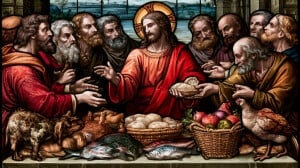
While Easter has become a secular holiday for many, it is important to remember its religious significance. For Christians, Easter is a time to commemorate the resurrection of Jesus Christ from the dead. It is a time of deep spiritual reflection and renewal of faith. Many churches hold special services and processions, and believers gather to celebrate the triumph of life over death. The story of the crucifixion and resurrection is at the heart of Christianity, and Easter is the pinnacle of the Christian calendar.
Easter traditions around the world
Easter is celebrated in various ways across the globe, with each culture adding its own unique twist to the holiday. In Greece, for example, the Easter Sunday feast is a grand affair, with families roasting whole lambs on spits and breaking red-dyed eggs for good luck. In Spain, the streets come alive with colorful processions and religious reenactments, while in the United States, the White House hosts an annual Easter Egg Roll on its lawn. These diverse traditions showcase the universal themes of hope, renewal, and joy that Easter represents.
Conclusion
Easter, with its rich history, diverse traditions, and deep religious significance, continues to captivate and inspire people around the world. It is a holiday that brings joy, hope, and a sense of renewal. Whether you celebrate Easter for its religious meaning, its cultural traditions, or simply for the joy of chocolate eggs and fluffy bunnies, it is a time to come together, reflect, and appreciate the beauty of life. So this Easter, put your knowledge to the test with our new trivia game, and let the spirit of Easter fill your heart with joy and excitement. Happy Easter!



Comments (0)
We want to hear your feedback! Share your scores and discuss the quiz, but keep it civil.