

Pennies and Perseverance: Money-Saving Tricks from the Great Depression
Have you ever wondered how families survived—and sometimes even thrived—during the hardest economic crisis in American history? The Great Depression, which gripped the world in the 1930s, was a time when every penny counted and creativity was key to survival. Yet, from these tough times emerged a treasure trove of practical wisdom—clever tricks, ingenious recipes, and resourceful habits—that can still teach us valuable lessons today. And now, you can test your knowledge and learn these time-honored tricks with the brand-new trivia game featuring a variety of fascinating questions!
Let's journey back in time and uncover some of the forgotten ingenuity of our grandparents and great-grandparents, and see why their thriftiness is more relevant than ever.
Lessons from Hard Times
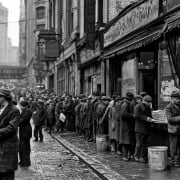
The Great Depression was more than just an economic downturn; it was a collective test of resilience. Bank failures, soaring unemployment, and widespread poverty forced millions to adapt quickly. For many, the Depression wasn’t just a chapter in a history book—it was a daily reality that shaped their character, values, and way of life. The skills they developed weren’t just about making do; they were about thriving with less, fostering creativity, and cultivating a sense of community.
The Economic Climate of the Great Depression
To appreciate the ingenious money-saving tricks from this era, it helps to understand the context. The stock market crash of 1929 triggered a domino effect: banks collapsed, businesses shuttered, and unemployment skyrocketed. Suddenly, even basic necessities—food, clothing, and shelter—became hard to come by for millions.
With little money to go around and government assistance programs in their infancy, families had to rely on their own resourcefulness. This period gave rise to a culture of thrift, where nothing was wasted and every object was seen as having hidden potential.
Frugality as a Way of Life
Frugality wasn’t just a choice—it was a necessity. People learned to stretch every dollar, mend every sock, and make every meal count. For example, did you know that people would save the string from flour sacks or sugar bags because it might come in handy? Or that old clothing was routinely turned into quilts or new garments for younger siblings?
Clipping coupons, swapping goods, and bartering became second nature. The phrase “Use it up, wear it out, make it do, or do without” became a household mantra. And these habits often stuck with people for life, influencing future generations.
Creative Food Solutions and Recipes
One of the most memorable aspects of Depression-era living was the innovative approach to feeding a family on a shoestring budget. Meat was a luxury, so protein came from beans, eggs, and even peanuts. Homemakers devised “mock” recipes—mock apple pie made from crackers, or “Depression cake” made without eggs, milk, or butter.
Trivia Teaser:
What common household item was used to make a “mock” apple pie when apples were scarce?
(Answer: Ritz crackers!)
Soups and stews were stretched with root vegetables, and leftovers were never wasted—yesterday’s roast might become today’s hash or tomorrow’s soup base. Victory gardens, even before WWII, were cultivated in backyards and empty lots to supplement meager rations.
Reusing, Repairing, and Repurposing
During the Great Depression, the concept of “throwaway culture” simply didn’t exist. When something broke, it was repaired—often many times over. Worn-out clothes were patched, shoes were resoled, and broken tools were fixed with whatever materials were at hand.
Empty glass jars became storage containers, tin cans were turned into toys or utensils, and worn sheets were transformed into curtains or cleaning rags. Even soap scraps were saved and re-melted into new bars.
Trivia Teaser:
What was a popular use for flour sacks after the flour was gone?
(Answer: The cotton fabric was used to make dresses, shirts, and underwear!)
Community and Resource Sharing
Hard times fostered a spirit of cooperation. Neighborhoods banded together, sharing resources and labor. Community potlucks, clothing swaps, and barn-raisings became social events as well as survival strategies.
Children’s clothes were handed down between families, and tools were borrowed rather than bought. Informal networks of support—neighbors, church groups, and local organizations—helped ensure that no one went hungry or without shelter.
Homegrown Solutions: Gardens and Livestock
With grocery budgets tighter than ever, many families turned to their own backyards for sustenance. Gardens—sometimes called “relief gardens” or “Depression gardens”—sprang up everywhere. People grew potatoes, beans, carrots, and tomatoes, storing and preserving the bounty for winter.
Chickens provided eggs and the occasional Sunday dinner, while rabbits were raised for meat. Even city dwellers found creative ways to raise food—bees on rooftops, chickens in backyards, and vegetables in window boxes.
Trivia Teaser:
What was the main reason Victory Gardens were popular before and during WWII?
(Answer: To supplement family food supplies and reduce pressure on public food sources.)
The Enduring Value of Thrift
The habits formed during the Depression often lasted a lifetime. Many who grew up in this era continued saving string, washing foil, and mending clothing well into the prosperous decades that followed. Their thrift wasn’t just about money—it was about respect for resources, self-reliance, and the satisfaction of making something from nothing.
These values resonate today, especially in times of economic uncertainty or environmental concern. The Depression generation’s creativity and resourcefulness offer a blueprint for living simply and sustainably.
Modern Applications of Old Wisdom
The “ancient tricks” of the Great Depression are making a comeback in surprising ways. As people seek to reduce waste, save money, and live more sustainably, old-fashioned skills are new again—gardening, canning, sewing, repairing, and DIY projects.
Online communities share Depression-era recipes, zero-waste tips, and upcycling ideas. Whether you’re looking to trim your grocery bill, repair instead of replace, or build community through sharing and bartering, there’s a lot to learn from the past.
Trivia Teaser:
Which Depression-era practice has inspired a modern environmental movement?
(Answer: Repurposing and reusing items, the cornerstone of today’s upcycling and zero-waste initiatives.)
Conclusion: Preserving Practical Knowledge
The hard-earned lessons of the Great Depression are more than just stories—they’re a toolkit for resilience. By remembering and practicing these ancient tricks, we honor the ingenuity of those who came before us and equip ourselves to face whatever challenges lie ahead.
So, are you ready to test your knowledge and discover the lost money-saving wisdom of the past? Dive into our new trivia game with its fascinating questions! Challenge your friends, learn some surprising history, and maybe even pick up a few tricks to use in your own life.



Comments (0)
We want to hear your feedback! Share your scores and discuss the quiz, but keep it civil.